Industrial Machine Maintenance

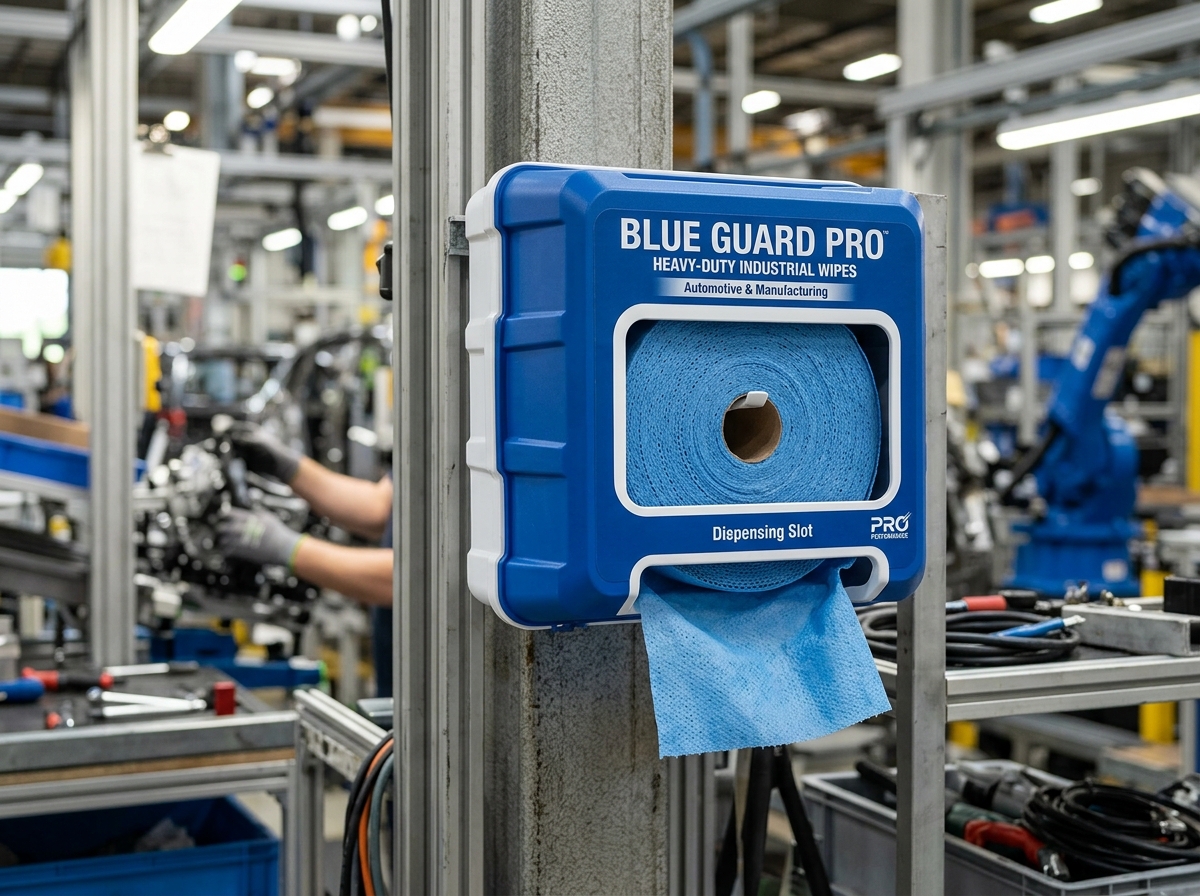
Rapidly remove grease, oil, and coolant to keep production lines running at peak efficiency.

View Recommended Products Request RFQ

What are we trying to achieve?

Restore machinery to optimal operating condition safely and quickly, minimizing downtime.

Using standard rags that don't absorb oil, break down in harsh solvents, and leave behind threads that get caught in moving parts.

Types of Contamination

Heavy Grease Machining Coolant Metal Shavings Hydraulic Fluid Carbon Buildup

Critical Requirements

High Fluid Capacity

Absorbs large volumes of oil without dripping.

Tear Resistance

Won't snag or tear on sharp metal edges or threads.

No Stray Threads

Eliminates the risk of rag threads jamming sensors or gears.

Standard Cleaning Procedure

STEP 1

Lockout/Tagout

Ensure the machine is fully depowered and safe to clean.

STEP 2

Bulk Removal

Use a dry heavy-duty wipe to soak up the majority of the standing oil or coolant.

STEP 3

Degrease

Apply degreaser to a fresh wipe and scrub away carbon buildup and dried grease.

STEP 4

Final Wipe

Use a clean wipe to remove any solvent residue before restarting the machine.

Best Practices

  • Always follow LOTO procedures
  • Use color-coded wipes for different fluids
  • Dispose of oily wipes in fire-safe bins

Avoid These Mistakes

  • Cleaning moving machinery
  • Leaving rags inside enclosures
  • Using flammable solvents indiscriminately

Related Resources

Solution
Oil & Grease Cleaning
Solution
High Absorbency Cleaning
Industry
Industrial Wiping Solutions for Automotive Manufacturing
Industry
Industrial Wiping Solutions for Engineering & Metalworking
Industry
Industrial Wiping Solutions for Food & Beverage Processing
undefined
How to Choose the Right GSM for Your Wipe

Need Custom Manufacturing?

Custom GSM Cleanroom Packaging OEM Branding

We engineer wipes to fit your exact standard operating procedure.

Explore Manufacturing

Frequently Asked Questions

While highly durable, wipes soaked in heavy grease or metal shavings should be disposed of properly rather than laundered, due to environmental and safety concerns.
Contact Us